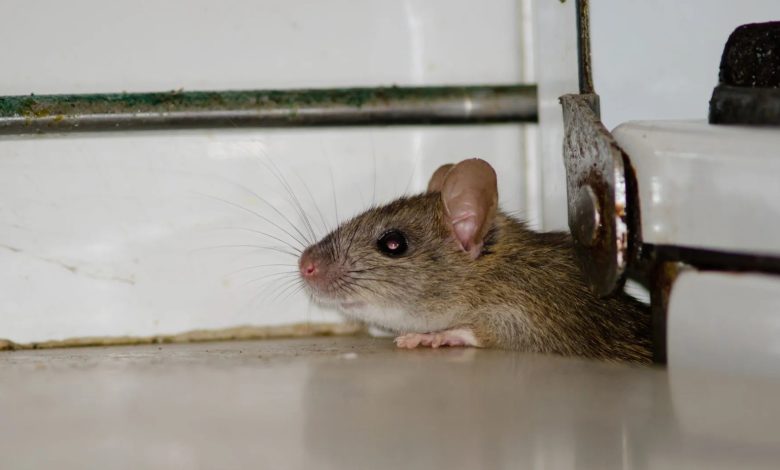
Rodents are notorious for their ability to infiltrate homes that appear to be completely sealed from the outside. Homeowners often wonder how these small creatures manage to find their way inside, even after taking extensive precautions to block every visible gap and crack. The answer lies in the remarkable adaptability and persistence of rodents, as well as their keen senses and natural instincts. Understanding how rodents locate and exploit hidden entry points is crucial for maintaining a rodent-free home, especially in urban environments where these pests are a common concern. By learning more about their behavior and the subtle vulnerabilities in even the most secure homes, residents can better protect their living spaces from unwanted intruders.
How rodents detect hidden openings
Rodents’ remarkable senses and instincts
Rodents possess an extraordinary set of senses that allow them to detect even the smallest vulnerabilities in a home’s exterior. Their sense of smell is highly developed, enabling them to pick up on food odors, warmth, and even the scent of other rodents that may have previously entered the home. This olfactory ability guides them toward potential entry points, even if those points are not immediately visible to the human eye. In addition to their sense of smell, rodents have sensitive whiskers and tactile abilities that help them feel their way along walls and surfaces, detecting subtle changes in air flow or temperature that might indicate a hidden gap. Their hearing is also acute, allowing them to pick up on the faintest sounds of air movement or activity inside the home. These combined senses make rodents highly effective at locating entry points that homeowners may overlook, no matter how well-sealed a property appears to be.
The persistence and adaptability of rodents
Rodents are not only equipped with keen senses, but they are also incredibly persistent and adaptable creatures. When searching for a way into a home, they will methodically investigate every possible avenue, testing for weaknesses in doors, windows, vents, and even the foundation. Their small size and flexible bodies allow them to squeeze through openings as small as a quarter of an inch, making it nearly impossible to block every potential entry point without thorough inspection and maintenance. In urban areas, such as Chicago, the challenge is even greater due to the dense population and abundance of food sources. This is why rodent control Chicago services are in high demand, as professionals understand the unique challenges posed by the local environment and the tenacity of these pests. Rodents will exploit any opportunity, returning night after night to test for new vulnerabilities, and can even gnaw through materials like wood, plastic, and soft metals to create their own entryways if none are readily available.
How rodents use environmental cues
Rodents are highly attuned to environmental cues that signal the presence of a potential entry point. Changes in temperature, humidity, and air pressure can all indicate a gap or crack in a building’s exterior. For example, during colder months, warm air escaping from a home can attract rodents seeking shelter from the elements. They can sense these temperature differences with their whiskers and skin, guiding them directly to the source. Additionally, rodents are drawn to the smell of food, garbage, or pet waste, which can linger near doors, windows, or vents. Even the smallest scent trail can lead a rodent to investigate further, often resulting in the discovery of a hidden entry point. Their ability to remember successful routes and share information with other rodents in their colony further increases the likelihood of repeated intrusions. This combination of environmental awareness and social learning makes rodents formidable invaders, capable of bypassing even the most diligent exclusion efforts.
The role of building materials and construction
The materials and construction methods used in a home play a significant role in determining its vulnerability to rodent intrusion. Older homes, in particular, may have settled over time, creating small gaps around foundations, windows, and doors that are difficult to detect without close inspection. Even newer homes can develop vulnerabilities due to weathering, shifting, or improper installation of building materials. Rodents are adept at finding and exploiting these weaknesses, often targeting areas where different materials meet, such as where siding meets the foundation or where pipes enter the building. They can also take advantage of poorly sealed utility lines, vents, and chimneys, which may provide direct access to the interior. Regular maintenance and inspection of these areas are essential for minimizing the risk of rodent entry. Homeowners should pay close attention to any signs of wear or damage, as even a small crack can serve as an invitation for rodents to investigate further.
Why rodents keep coming back
Rodents are creatures of habit, and once they have identified a reliable entry point or food source, they are likely to return repeatedly. Their strong homing instincts allow them to navigate complex environments and remember the locations of successful entry points. This behavior is reinforced by the presence of pheromone trails, which rodents use to communicate with one another and mark paths to food and shelter. If a rodent finds a way into a home, it may leave behind scent markers that attract other members of its colony, leading to a persistent infestation. This is why it is not enough to simply seal up visible gaps; homeowners must also address the underlying attractants, such as accessible food, water, and shelter, to discourage rodents from returning. Consistent cleaning, proper food storage, and prompt removal of garbage can help reduce the appeal of a home to rodents, but ongoing vigilance is necessary to prevent future intrusions.
Quick facts about rodent entry points
Rodents can squeeze through holes much smaller than their bodies, often as small as a dime for mice and a quarter for rats. Their teeth never stop growing, allowing them to gnaw through wood, plastic, and even some metals to enlarge existing gaps. Rodents are most active at night, making it difficult for homeowners to spot their entry attempts in real time. Regular inspections, especially after seasonal changes or construction work, are crucial for identifying new vulnerabilities before rodents can exploit them.
Conclusion
Rodents’ ability to find hidden entry points in well-sealed homes is a testament to their adaptability, persistence, and highly developed senses. Even the most diligent homeowners can find themselves facing rodent intrusions if they overlook the subtle vulnerabilities that these creatures are so adept at exploiting. Understanding how rodents use their senses, environmental cues, and knowledge of building materials can help residents take more effective preventative measures. Regular inspections, prompt repairs, and attention to potential attractants are essential for keeping homes secure. By staying vigilant and addressing both the physical and environmental factors that draw rodents inside, homeowners can significantly reduce the risk of unwanted guests and maintain a safer, healthier living environment.